
Garden Pests - Expert Tips & Advice

Learn how to identify, prevent, and control common garden pests naturally.

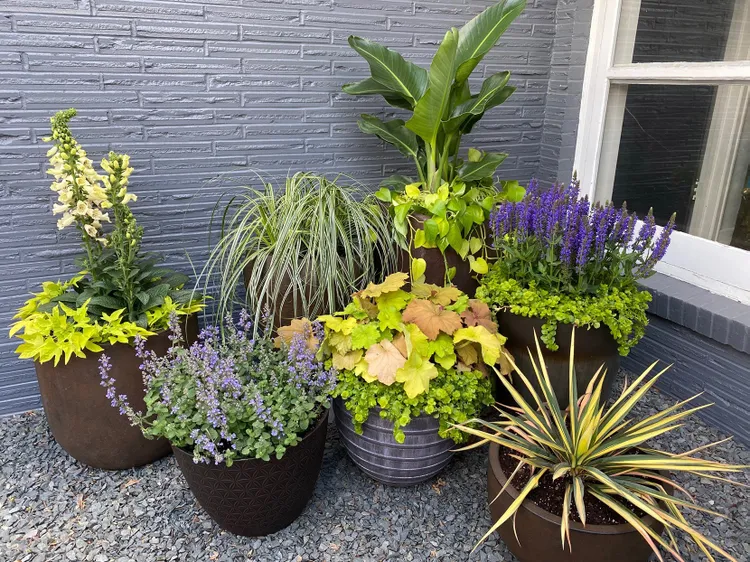
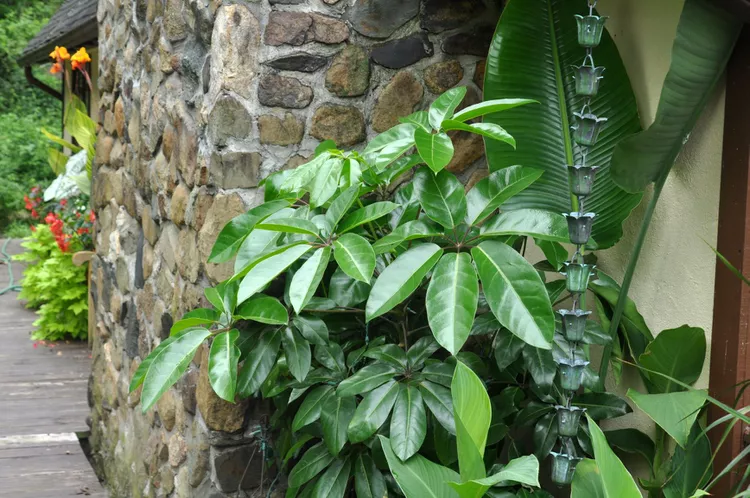
4 Genius Ways to Use Houseplants in Your Outdoor Garden

Houseplants have a way of adding life, vitality, and calm into our inside spaces. But during the warmer seasons, there's no rule that says our favorite houseplants can't join us in the great outdoors. I adore the lush tropical look my indoor plants add to my Virginia patio and garden in summer—they're so versatile and vigorous that they even inspired me to write a book to help others use their favorite houseplants the same way, called Tropical Plants and How To Love Them!. Here are four easy ways to use your indoor plants to dress up your garden and outdoor planters. Plus, find tips for growing your houseplants outside successfully and bringing them inside again
How to Grow and Care for Zebra Plants

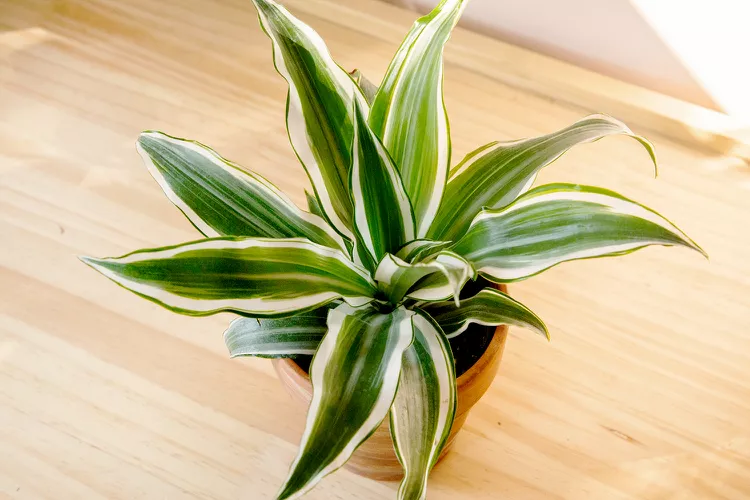
Take one look at the bold white stripes on a zebra plant (Aphelandra squarrosa) and you’ll know how it got its name. Zebra plants (not to be confused with zebra haworthia) are known for their striking striped leaves, but these beautiful plants are sure to attract attention with their lush tropical look. When in bloom, these South American natives produce beautiful yellow flower spikes that last for weeks. Zebra plants are typically grown as houseplants, but in warmer regions, they’ll grow outdoors where their flowers attract hummingbirds and butterflies.

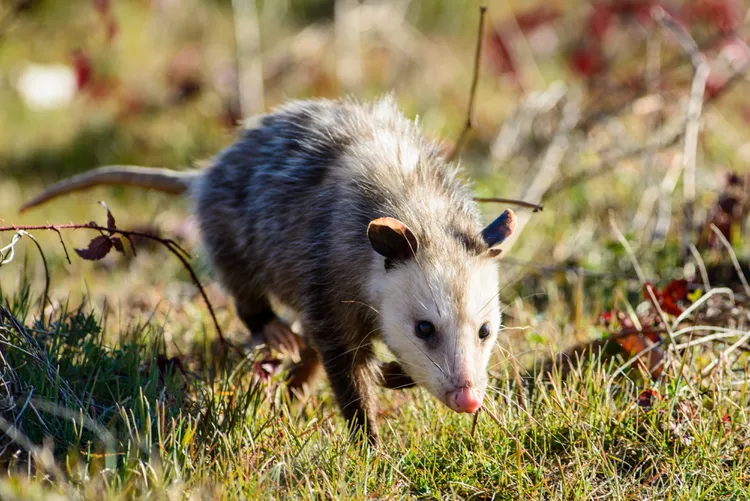
How to Get Rid of Possums in Your Yard: 5 Humane Solutions

Opossums, often referred to as possums, are nocturnal animals that thrive on insects, small rodents, and plant material. They might find your open compost piles, trash bins, and garden plants particularly inviting. While you may think about ways to deter them, there are several humane methods to do so. These critters can actually bring benefits to your garden, especially by keeping pests in check.

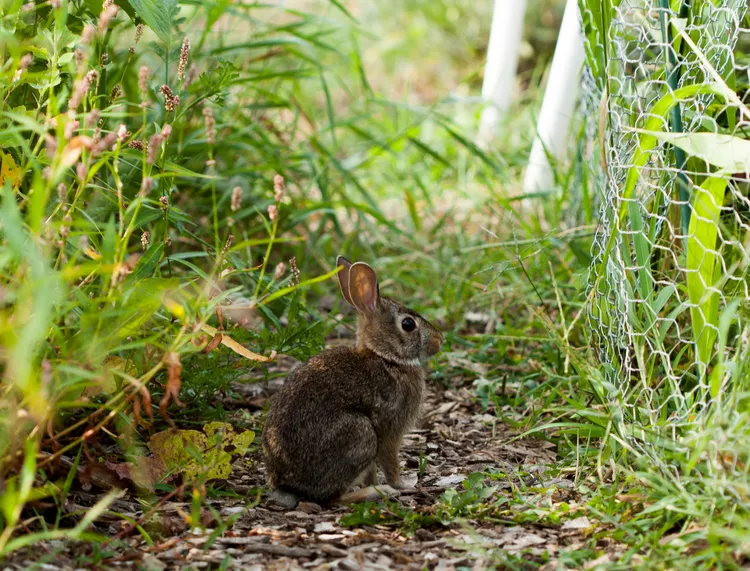
How to Keep Rabbits Out of Your Garden: 9 Wildlife-Friendly Tips

Few garden plants are safe when rabbits invade. To protect your vegetables, fruits, and flowers, you have several options for how to keep rabbits out of your garden. In North America alone, there are about 15 types of native rabbits and hares, but the eastern cottontail is the species you’re most likely to encounter. Whichever species you're dealing with, this guide covers how to identify rabbit damage and wildlife-friendly ways to stop rabbits from eating your plants.

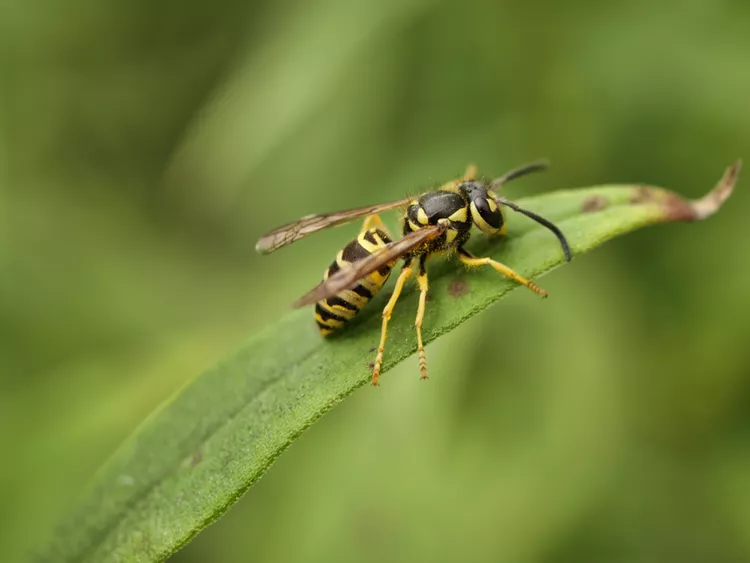
How to Get Rid of Yellow Jackets in Your Yard Without Chemicals

People often want to know how to get rid of yellow jackets because these insects have a reputation for being bad-tempered pests that sting without much provocation. However, yellow jackets are actually beneficial insects in our gardens. Like many wasp species, they are important pollinators and eat plant pests.

How to Get Rid of Spotted Lanternfly Infestations in Your Yard

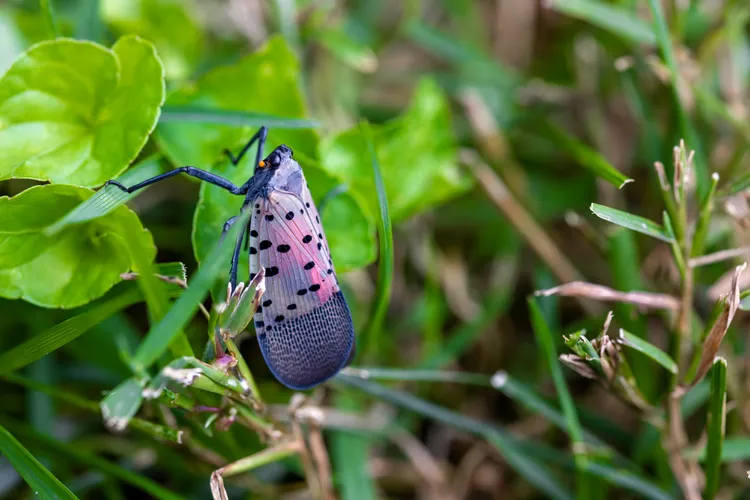
Whether you want to protect your plants or help slow the spread of of a devastating pest, knowing how to get rid of spotted lanternfly infestations is becoming increasingly important for everyone. That's because these invasive insects have been expanding their range rapidly over the last decade, and aren't showing any signs of slowing down. Here's how to identify and get rid of spotted lanternflies in your yard and beyond with natural, non-toxic methods.

How to Get Rid of Ground Bees: 7 Natural Solutions

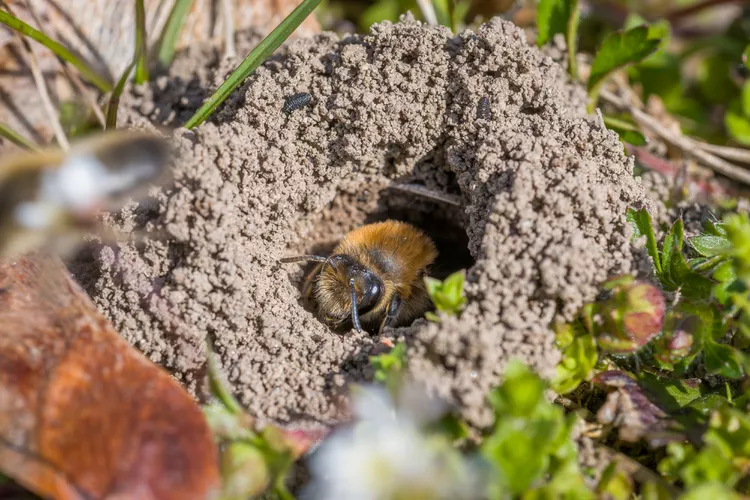
Although generally not aggressive, ground bees can cause a few issues with the underground nests they sometimes make in lawns and gardens. To encourage these insects to move along, several solutions that don’t require harsh chemicals are available for how to get rid of ground bees. This guide will help you identify ground bees, choose a natural solution for getting rid of them, provide considerations for leaving them be, and give tips for preventing their return.

Prevent Thrips on Plants Naturally with These 10 Must-Know Tips

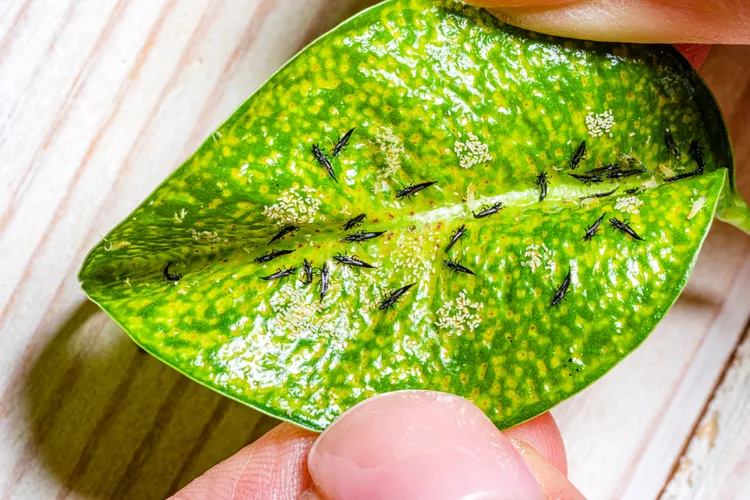
Thrips on plants can spell trouble for gardens, houseplant collections, and greenhouses. But thrips are often overlooked because they are so small and the damage they cause looks similar to that of spider mites and aphids. This guide will help you identify thrips and the damage they cause so you can prevent and get rid of infestations before they spread.

4 Destructive Invasive Insects to Watch for in Your Garden

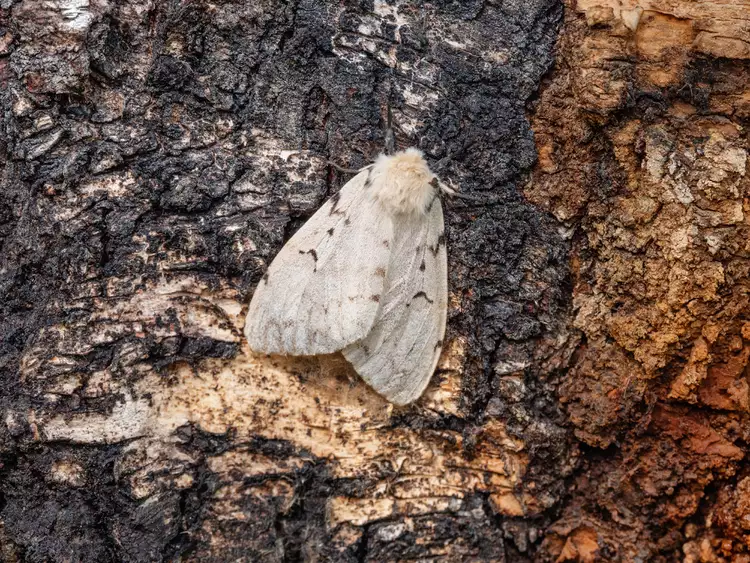
Similar to invasive plants that can take over your garden (looking at you, kudzu), there are also invasive insects to watch out for. Why? Because slowing or stopping their spread helps both your immediate landscape and the larger environment. According to the U.S. Department of Agriculture (USDA), the damage done by invasive pests and diseases costs the United States an estimated $40 billion a year in losses of plants, trees, and agricultural crops.1 USDA asks Americans to protect plants by looking for invasive pests in April. USDA. (2023, April 4). https://www.usda.gov/media/press-releases/2023/04/04/usda-asks-americans-protect-plants-looking-invasive-pests-april Here’s what you should know about invasive insects and how to control them.

Can Citrus Peels Really Keep Garden Pests Away? Here’s What an Expert Says

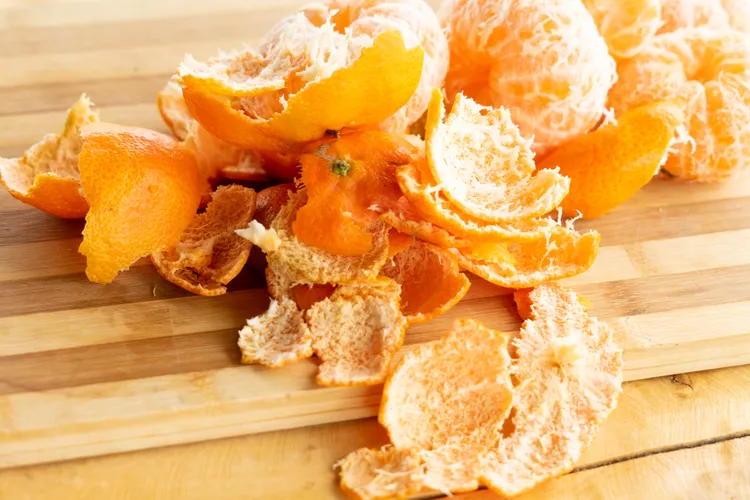
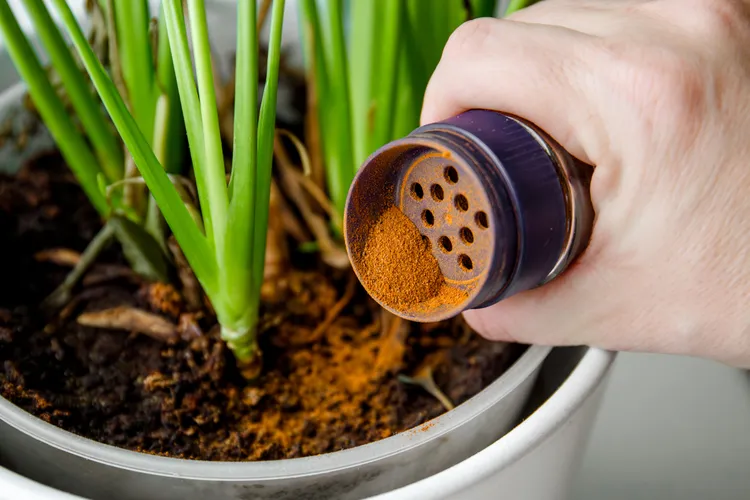
Can you put citrus peels in your garden to keep bugs away? This viral gardening hack has been making the rounds online, so we checked in with a pest expert for the truth. Before you go putting orange peels around your tomatoes and tossing lemon rind in your houseplant containers, here's what you need to know about the pros and cons of using citrus peels in your garden and potted plants.

5 Expert Tips for Keeping Your Dog Out of Your Garden

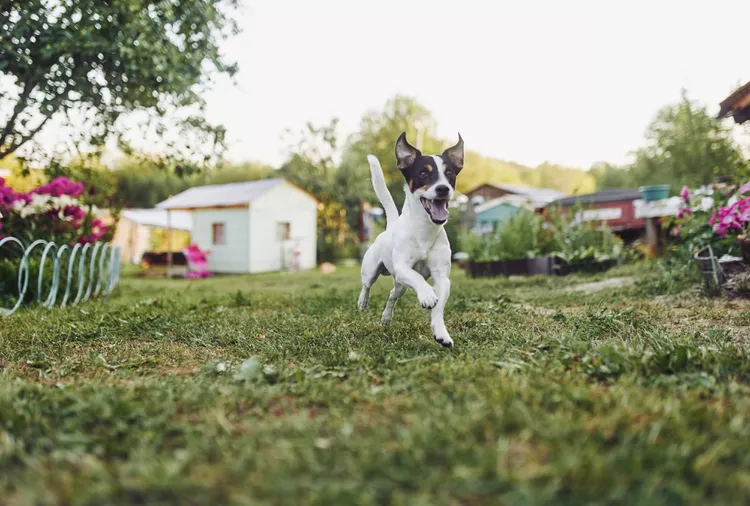
Gardening is a rewarding hobby, but sometimes it can be stressful to shield your hard work against your eager gardening assistant, also known as your dog. From digging up your freshly planted seeds to chomping on your not-yet-ripe produce, your pup may be doing more harm than good in your garden. Here are five effective ways to keep your dog out of your garden, according to a gardening expert.

Are Ants Bad for Your Peonies? Here's What an Expert Says

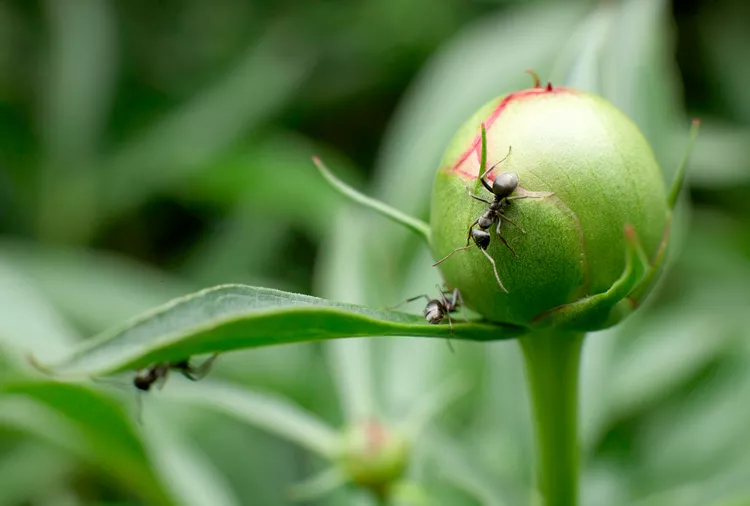
Peonies are one of spring’s most beloved blooms. They light up gardens with their lush fragrance and layers of frilly petals in shades from white to deep fuchsia. However, just as soon as the buds appear, so do the ants. If you spot ants on your peonies, don’t panic—they aren’t harming your plants. In fact, they’re helping. Find out why ants are attracted to peony buds, their important role in plant health, and what to do if you want to bring blooms indoors without the ants tagging along.

5 Natural Ways to Get Rid of Ant Hills in Your Yard

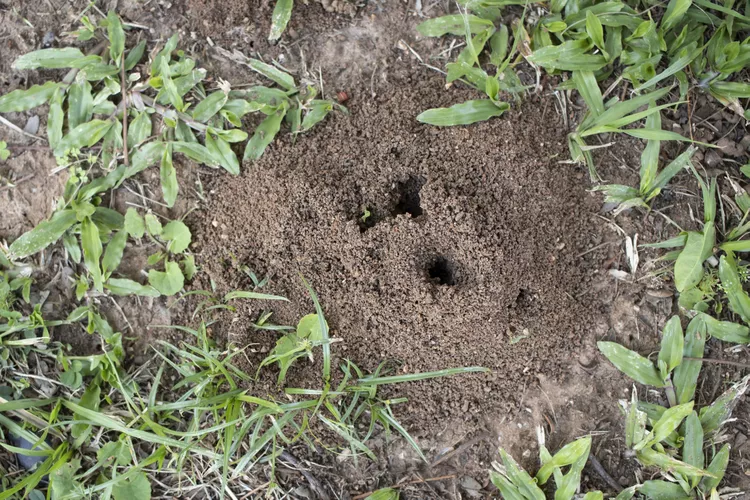
Large ant hills in your yard can be an eyesore. Plus they can make it tricky to mow your lawn or tend your garden—especially if those hills harbor stinging fire ants. If you’re ready to reclaim your space, here are some easy ways to eliminate ant hills using natural and organic pest control techniques. Plus get tips on ways to avoid attracting ants to your yard in the first place.

Do Coffee Grounds Really Keep Slugs Away? Here's What an Expert Says

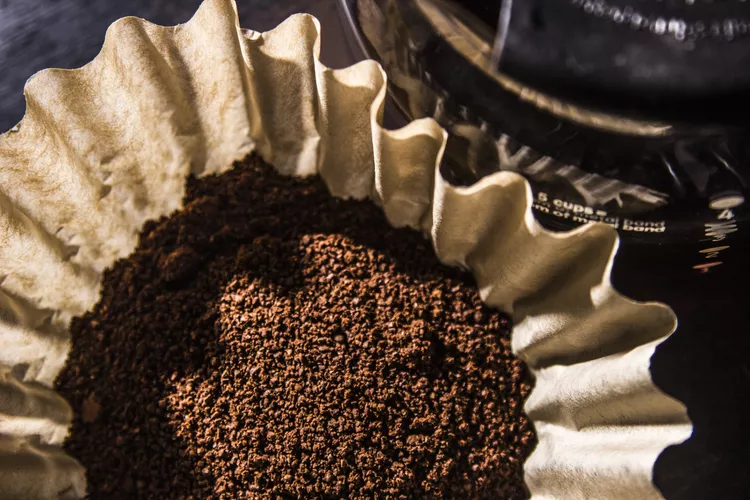
Slugs. Ugh. These pests are no gardeners’ friends, leaving slimy trails and eating holes in leaves as they go. Slugs can devour seedlings overnight, eat the petals off flowers, and leave ugly holes in ripening fruits and vegetables. You may have heard that coffee grounds are an effective and eco-friendly way to keep slugs off your plants because the caffeine in the grounds repels them. But does this actually work? According to a scientist, there is some truth to the idea, but the application method is key.

8 Reasons Your Plant's Leaves Have Holes—and How to Fix Them

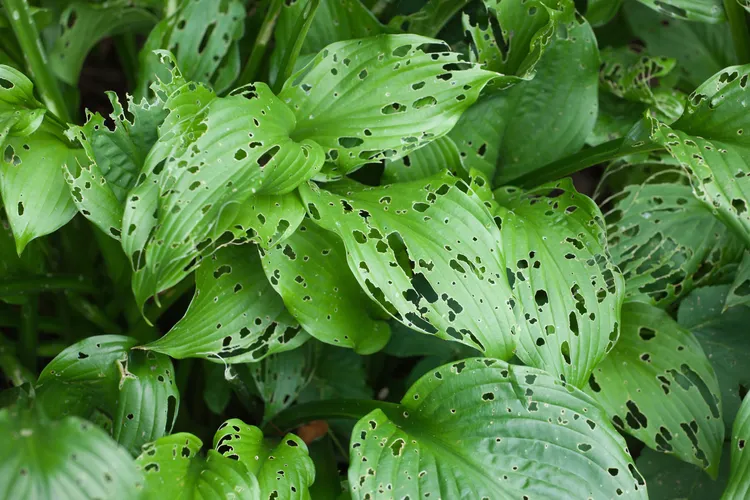
Holes in the leaves of your veggies, herbs, and flowers may be unsightly, but they are not necessarily alarming. Sometimes, holes in plant leaves are caused by beneficial insects, such as native leafcutter bees, which use leaves as building materials for their nests. Other times, it is leaf-eating pests such as caterpillars and slugs, plant diseases, or environmental factors that cause leaf holes.